
Glaucoma Monitoring & Optic Nerve Evaluation
We help patients monitor and manage glaucoma in Brentwood with advanced diagnostic tools and ongoing care focused on preserving vision.
Long-Term Vision Support for Glaucoma Patients
Glaucoma often develops slowly and without symptoms, but left unmanaged, it can lead to permanent vision loss. That’s why early detection and ongoing monitoring are essential. We provide clinical evaluations designed to detect changes in your optic nerve, eye pressure, and peripheral vision.
Whether you’re newly diagnosed, have a family history of glaucoma, or just want to stay ahead of risk, we’re here to help you understand what’s changing and what steps to take next.
What We Check During a Glaucoma Evaluation at Good Eye Optometry
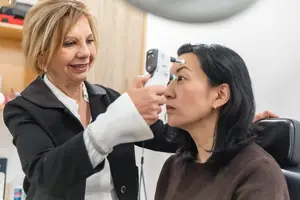
A glaucoma-focused eye exam may include:
- Eye pressure measurement (tonometry)
- Optic nerve assessment
- Visual field testing (peripheral vision)
- OCT imaging to assess the retinal nerve fiber layer
- Corneal thickness measurement (when clinically relevant)
We use this information to monitor progression and determine when referral to a glaucoma specialist is appropriate. Not every patient with elevated pressure needs immediate treatment, but every case deserves careful tracking.

Who Should Be Screened for Glaucoma?
We may recommend regular glaucoma monitoring if you:
- Are over age 40
- Have a family history of glaucoma
- Are highly nearsighted
- Have been told you have elevated intraocular pressure
- Are managing other conditions like diabetes or high blood pressure
Routine exams help us catch early signs of damage before vision is affected, when treatment is most effective.
Stay Ahead of Glaucoma, Before Vision Loss Begins
Glaucoma can progress without symptoms, but routine monitoring makes a difference.
If you’ve been diagnosed, are at higher risk, or just want peace of mind, we’re here to support you with measured, diagnostic care and clear next steps.